
Twenty of the Best Films from the 1970s
by Merick Humbert
July 14, 2026
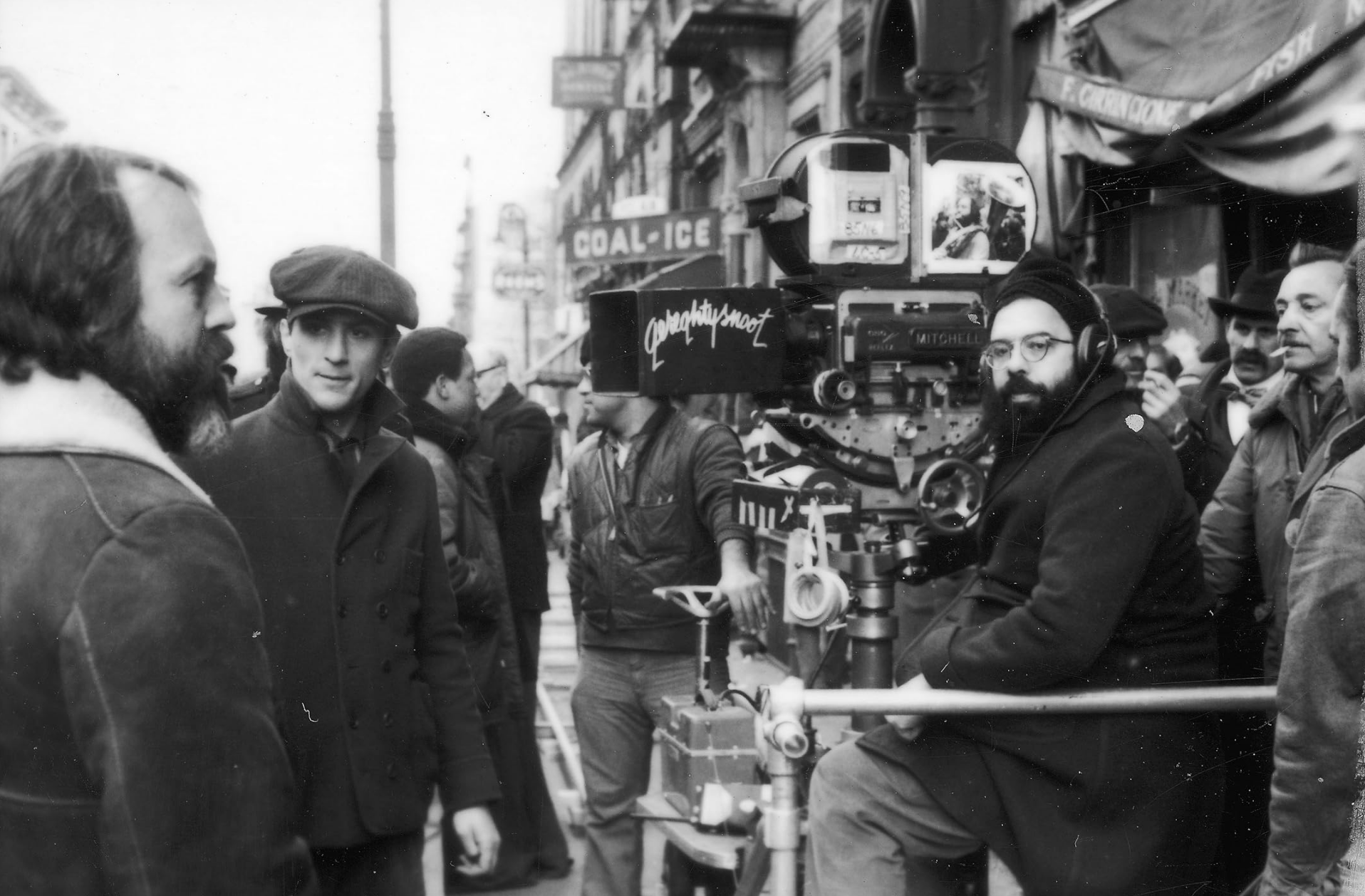
The 1970s is considered by many to be the greatest decade in cinema history. While this is arguable, I certainly felt the need to extend my list to twenty of my favorite films from the decade, and I still had to leave off some greats.
Beginning in the late 1960s, when The Motion Picture Production Code, better known as the Hays Code, was replaced by the MPAA Film Rating System, filmmakers were really starting to push boundaries when it came to language, violence, and sex, and many of the pictures from the 1970s offer a darker and more gritty portrayal of the human experience due to this newfound freedom. The artform had opened up to a raw, and (arguably) more realistic and compelling form of storytelling. Here are twenty of the best from the decade…
1. The Godfather (1972) & The Godfather Part II (1974)
Directed by: Francis Ford Coppola – Based on the novel by Mario Puzo
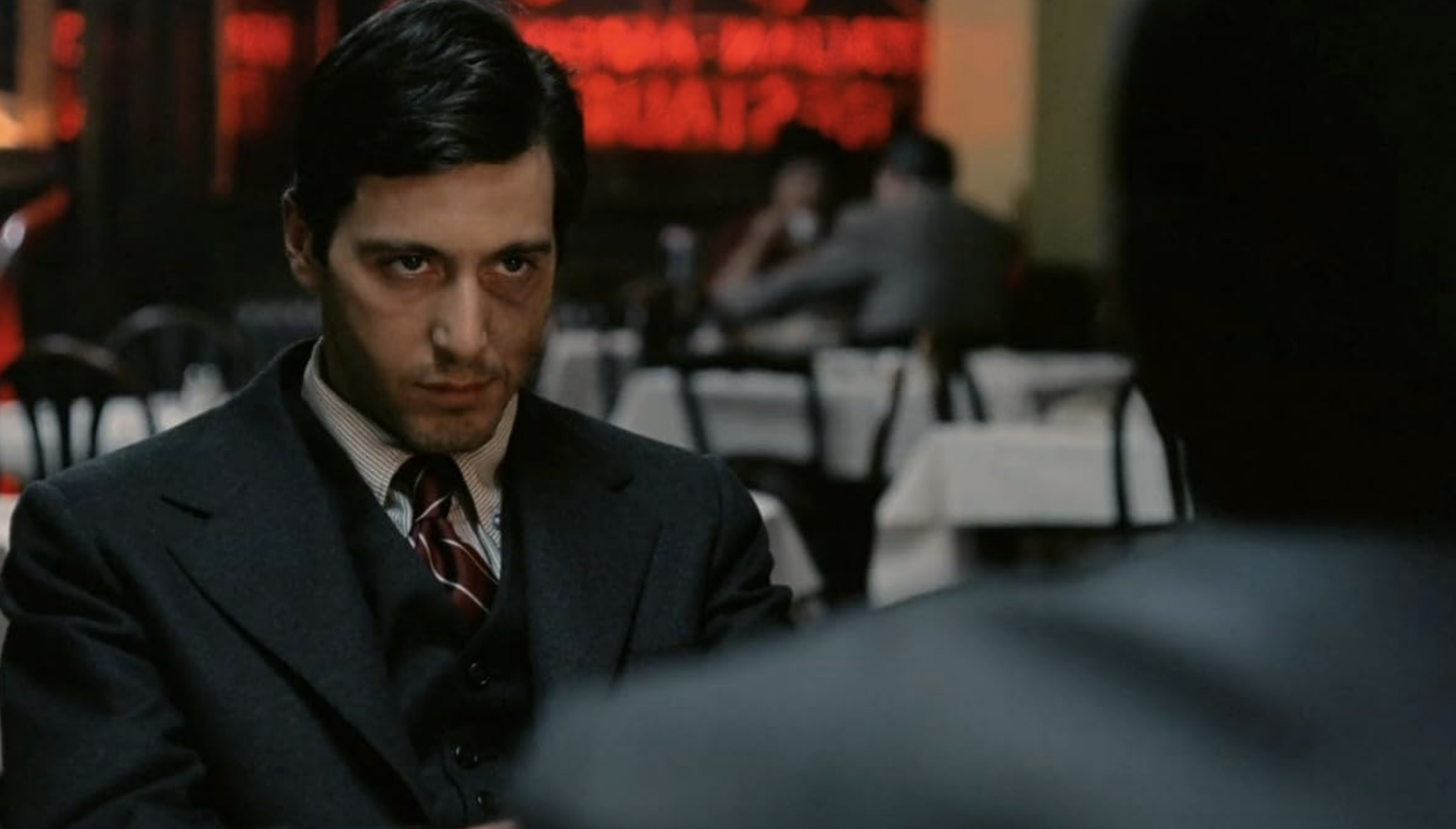
They are widely considered two of the greatest films of all-time, and there is no argument here. The epic story of the Corleone crime family is filmmaking at its finest and I saw no need to split them up on this list. As the first film follows the rise of Michael Corleone to the head of the family, while the patriarch, Vito Corleone, approaches his final days, the second film proceeds along an alternating timeline, juxtaposing Vito’s arrival at Ellis Island as a child, and his rise to power, with Michael’s story as it continues to play out in the present.
These films are filled with compelling performances: Al Pacino as Michael Corleone, Marlon Brando as Vito Corleone, Robert De Niro as a younger Vito Corleone, John Cazale as Fredo, Robert Duvall, Diane Keaton, and the list goes on. They are incredible films and there is really not much else to say…
2. Network (1976)
Directed by: Sidney Lumet – Written by: Paddy Chayefsky
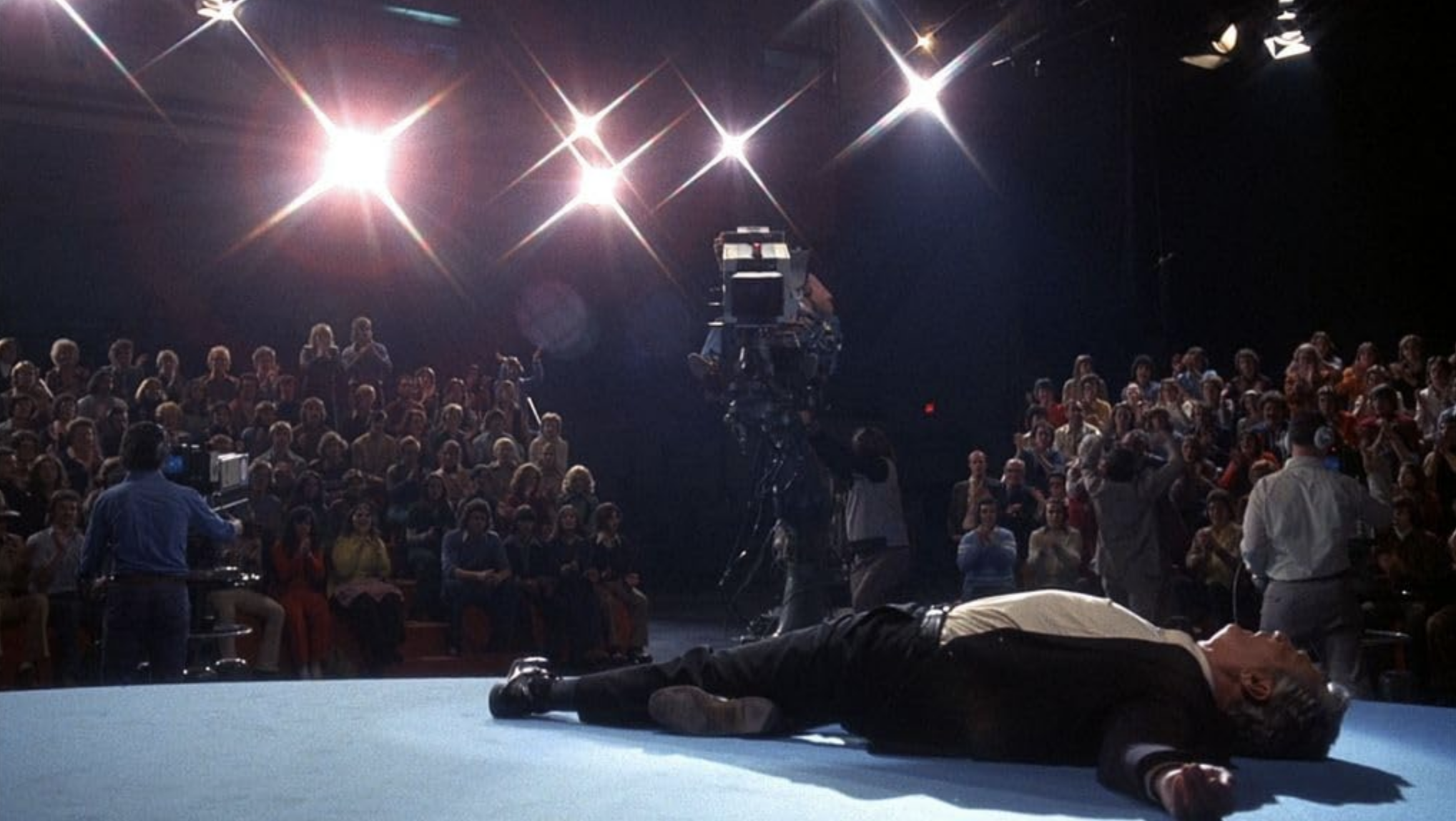
The film begins with a news network executive, Max Schumacher (William Holden), being tasked with having to tell his long-time friend and colleague, Howard Beale (Peter Finch), the evening news anchor, that he is being fired, and that he will only have two more weeks on air, due to poor ratings. In response, on the next evening’s show, Howard tells his audience that he is going to kill himself on the following Tuesday’s broadcast, live on the air. Howard then goes on a rant about the state of society, and these dramatic events cause the ratings to spike, which makes the network decide to keep Howard around; they even decide to create a new show for him… anything for ratings.
Before there were clicks, there were ratings.
Seeing as though it was written at a time when cable television was still in its infancy, with less than ten percent of American households receiving basic cable, and long before the internet and social media, Network seems prophetic in its pertinence to society today, the damaging effects of mass media, and our present addiction to our devices.
Howard Beale rants:
“I don’t have to tell you things are bad. Everybody knows things are bad […] The dollar buys a nickel’s worth […] Punks are running wild in the street […] We know the air is unfit to breathe and our food is unfit to eat, and we sit watching our TVs while some local newscaster tells us that today we had fifteen homicides and sixty-three violent crimes, as if that’s the way it’s supposed to be.”
and later:
“We’ll tell you any shit you want to hear. We deal in illusions, man! None of it is true! But you people sit there, day after day, night after night, all ages, colors, creeds... We’re all you know. You’re beginning to believe the illusions we’re spinning here. You’re beginning to think that the tube is reality, and that your own lives are unreal. You do whatever the tube tells you! You dress like the tube; you eat like the tube; you raise your children like the tube; you even think like the tube! This is mass madness, you maniacs!”
The relevance is frightening…
At the same time, I wonder if each generation has felt this way. If we, as a society, have always been doomsayers, and if we have always felt as if civilization was collapsing. Perhaps it is just a constant state of the human experience: we always feel as though we are approaching the end of days collectively, because we are as individuals… a natural fact of life. I am always fascinated to be reading a book written hundreds of years ago in which the characters talk about, “kids these days,” or who grumble about fallen standards or the crumbing state of society. It seems as though this has been a common sentiment throughout the ages, and I think that is due to the inevitable changes that we all experience, and that we see in the world, as we grow old, over the course of our lives that span decades.
Network is an incredible film with thought-provoking cultural criticism, brilliant writing, expert direction from Sidney Lumet, and captivating performances from William Holden, Faye Dunaway, and Peter Finch. It is one of the best films from one of the best decades for cinema…
3. One Flew Over the Cuckoo’s Nest (1975)
Directed by: Miloš Forman – Based on the novel by: Ken Kesey
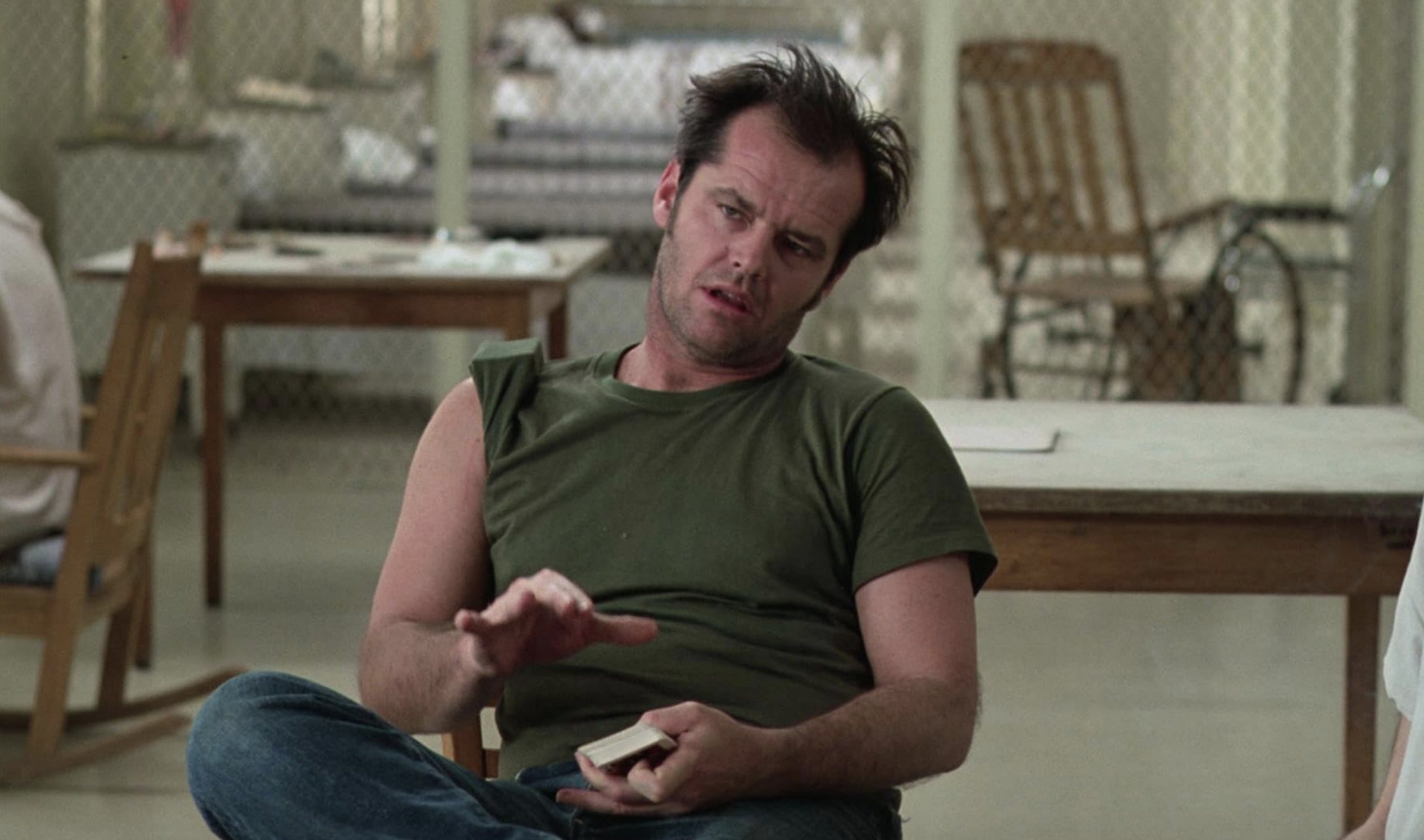
One Flew Over the Cuckoo’s Nest has a wonderful balance of drama and comedy. There are some hilarious moments, but at its core, it is a heartbreaking character study that explores mental illness and institutional control. It challenges the concept of crazy and it examines conformity, rebellion and authority. At times, it even feels like a “hang-out” movie, but it builds to a heart-wrenching climax that leaves one reflecting on human nature.
The vital element in the genius of this picture is Jack Nicholson’s brilliant performance as R.P. McMurphy. “Mac” is one of the few characters in this film who has been involuntarily committed to this mental institution after a string of run-ins with the law, with his most recent crime being the statutory rape of a fifteen-year-old girl, who (he claims) he assumed was of age. Mac’s rebellious nature and problems with authority are immediately evident, but there is some interesting complexity to the character. He clearly seems to be faking mental illness to get out of his prison sentence, and while he comes across as a vulgar degenerate with no regard for the rules/law, he also seems to be the only one who really treats his fellow patients/inmates with any real humanity. He sees them as people and he tells them: “You’re no crazier than the average asshole out walkin’ around on the streets and that’s it.” They become friends and although he is selfish and self-indulgent, he has a heart, and that makes for a compelling contrast to the antagonist of the film, Nurse Ratched (Louise Fletcher), a professional by all accounts, proper and genteel, but also cruel and oppressive… someone who seems to revel in the power she holds over the others. The dynamic between these two characters is combustable, the result devastating, making One Flew Over the Cuckoo’s Nest one of the greatest films ever made.
4. Apocalypse Now (1979)
Directed by: Francis Ford Coppola – Written by: Francis Ford Coppola & John Milius
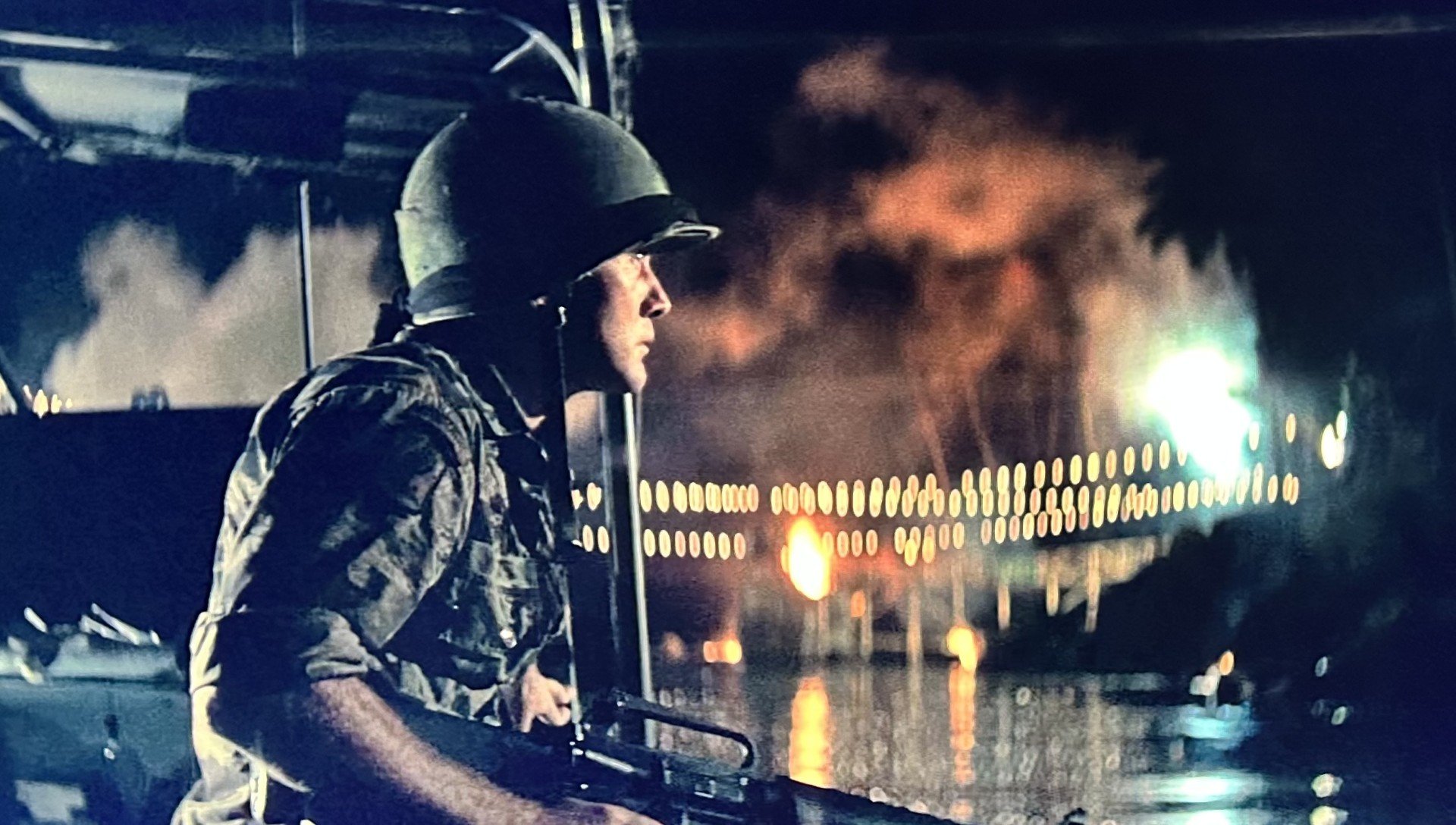
Loosely based on Heart of Darkness by Joseph Conrad, Apocalypse Now is a haunting film that explores the absurdity and terror of war.
“Charlie don’t surf!”
Set during the Vietnam War, Apocalypse Now is packed full of stunning cinematography as the viewer follows Captain Benjamin Willard (Martin Sheen) through hostile territory and up the Nùng River in search of Walter E. Kurtz (Marlon Brando), a Special Forces Army Colonel who has gone rogue, and who is now seen as a threat to US Army Operations. On a secret mission, Willard has been tasked with finding and assassinating Kurtz, a fellow American, leaving him to question his own purpose and the hypocrisy of the war in general.
“We train young men to drop fire on people, but their commanders won’t allow them to write ‘fuck’ on their airplanes because it’s obscene.”
Apocalypse Now is an incredible film with evocative imagery and it will stick with you long after the credits have rolled.
“the horror…the horror…”
5. The Last Detail (1973)
Directed by: Hal Ashby – Screenplay by: Robert Towne – Based on the novel by: Darryl Ponicsan
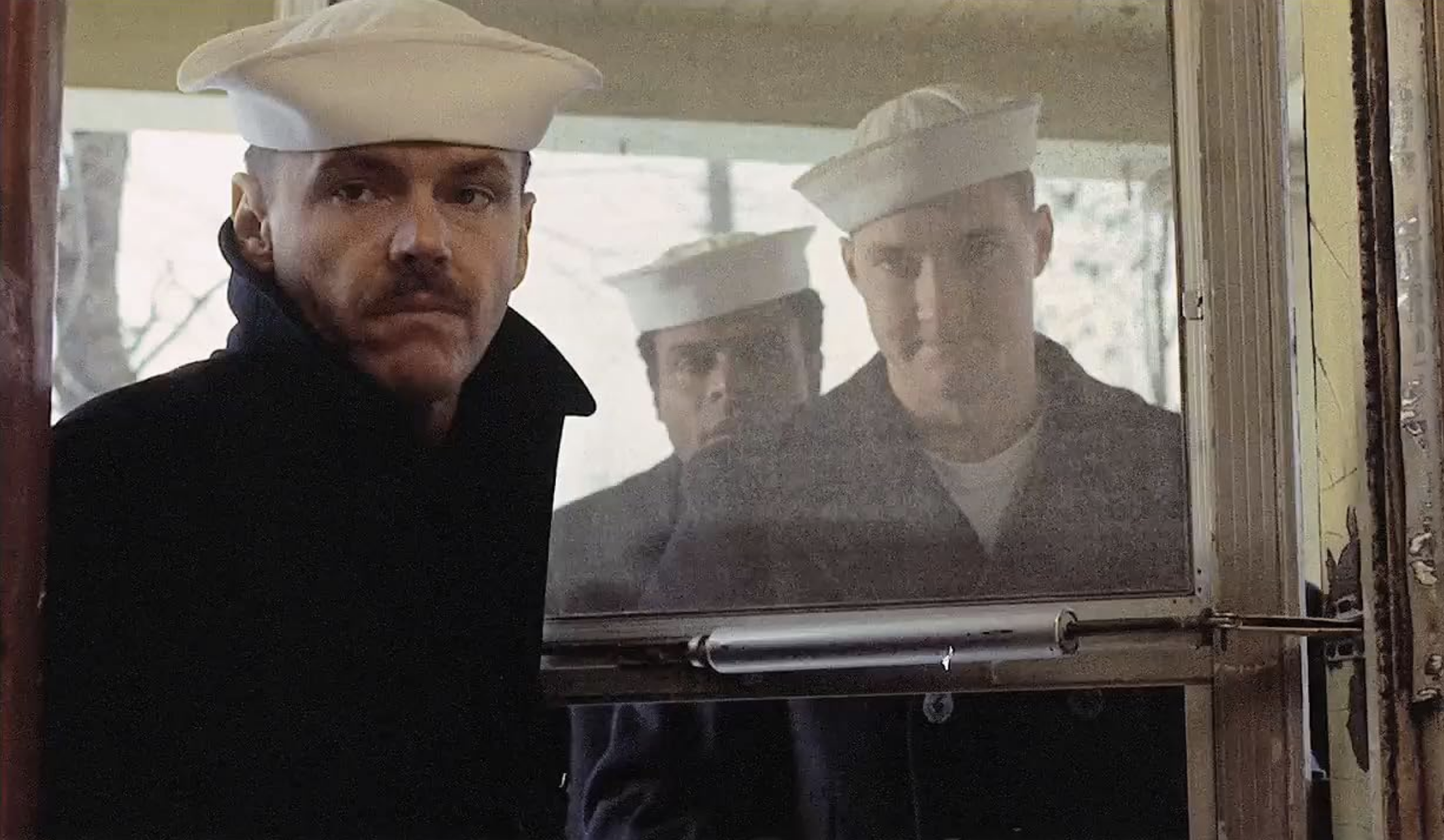
Eighteen-year-old Navy seaman Larry Meadows (Randy Quaid) is about as naive as they come. He is old enough to enlist, to be sent to war, to kill and be killed; he is old enough to be sentenced to eight years in a military prison for stealing $40 from a charity which happened to be run by the wife of the Norfolk Naval Base Commander; however, he is not old enough to buy a beer. In their latest detail, Navy lifers, Billy “Badass” Buddusky (Jack Nicholson) and Richard “Mule” Mulhall (Otis Young), have been tasked with escorting Meadows up the coast to Portsmouth Naval Prison, where he is set to serve his incarceration.
The injustice of Meadow’s sentence is apparent to Buddusky and Mulhall, as is his inexperience. It is clear that he is ill-equipped for what he is about to face.
“He don’t stand a chance in Portsmouth, you know. You know that, don’t you? Goddamn grunts, kickin’ the shit outta him for eight years... he don’t stand a chance.”
It is evident that Meadows is unwilling, or unable, to stand up for himself—that people have walked over him all his life. It is a shame, and Buddusky and Mulhall sympathize and quickly grow fond of Meadows. Given a week to make it to their destination, they make it their mission to show him a good time, and over the course of their journey, they encourage him to get angry and to stand up for himself.
The Last Detail is a road picture with nuanced depth and complexity. Buddusky and Mulhall are men who follow orders. They don’t mind bending, and sometimes breaking, the rules if they think that they can get away with it, but they are men who need the structure of the military. As much as they hate it sometimes, they need it, and in the end, without much of a choice, they follow their orders.
We get a brief and depressing glance at the background in which Meadows hails from, making it clear that this is not a man who had many options, something all too common for the men and women in service. In one of the most poignant moments of the film, Meadows refers to Buddusky and Mulhall as his best friends and that is both beautifully wholesome, yet tragic, as he hardly knows these men, alluding to a life without kinship.
The Last Detail is an under-appreciated 70s gem, with another standout performance from the great Jack Nicholson. It is a must see for every film lover.
6. Autumn Sonata (1978)
Written and Directed by: Ingmar Bergman
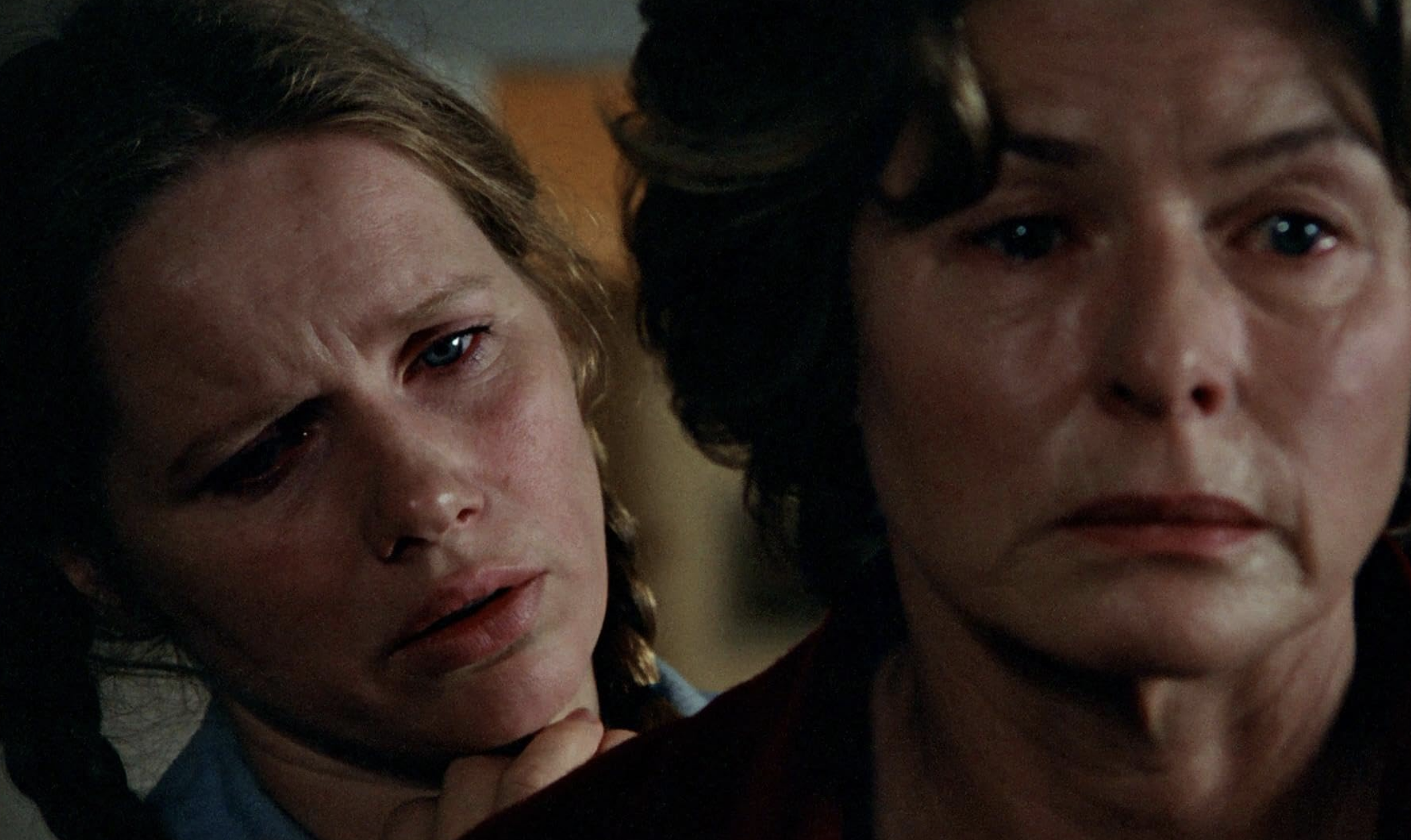
After a period of estrangement, Eva (Liv Ullmann) has invited her mother, Charlotte (Ingrid Bergman), to visit her home in rural Norway, where she ends up confronting her mother about their past relationship, its dysfunction, and the impact that Charlotte’s emotional detachment has had on Eva’s life and upbringing.
Taking place over just a 24-hour period, Autumn Sonata is a powerful and complex character study that is heavily driven by dialogue as we learn about these characters’ lives, and the trauma that they have experienced, through an intense confrontation between mother and daughter. Driven by two of the greatest dramatic performances I have ever seen, from Ingrid Bergman and Liv Ullmann, Autumn Sonata is a brilliantly written and captivating story by Ingmar Bergman. It is gut-wrenching, emotional, and it is an intense and deeply moving viewing experience.
7. Carnal Knowledge (1971)
Directed by: Mike Nichols – Written by: Jules Feiffer
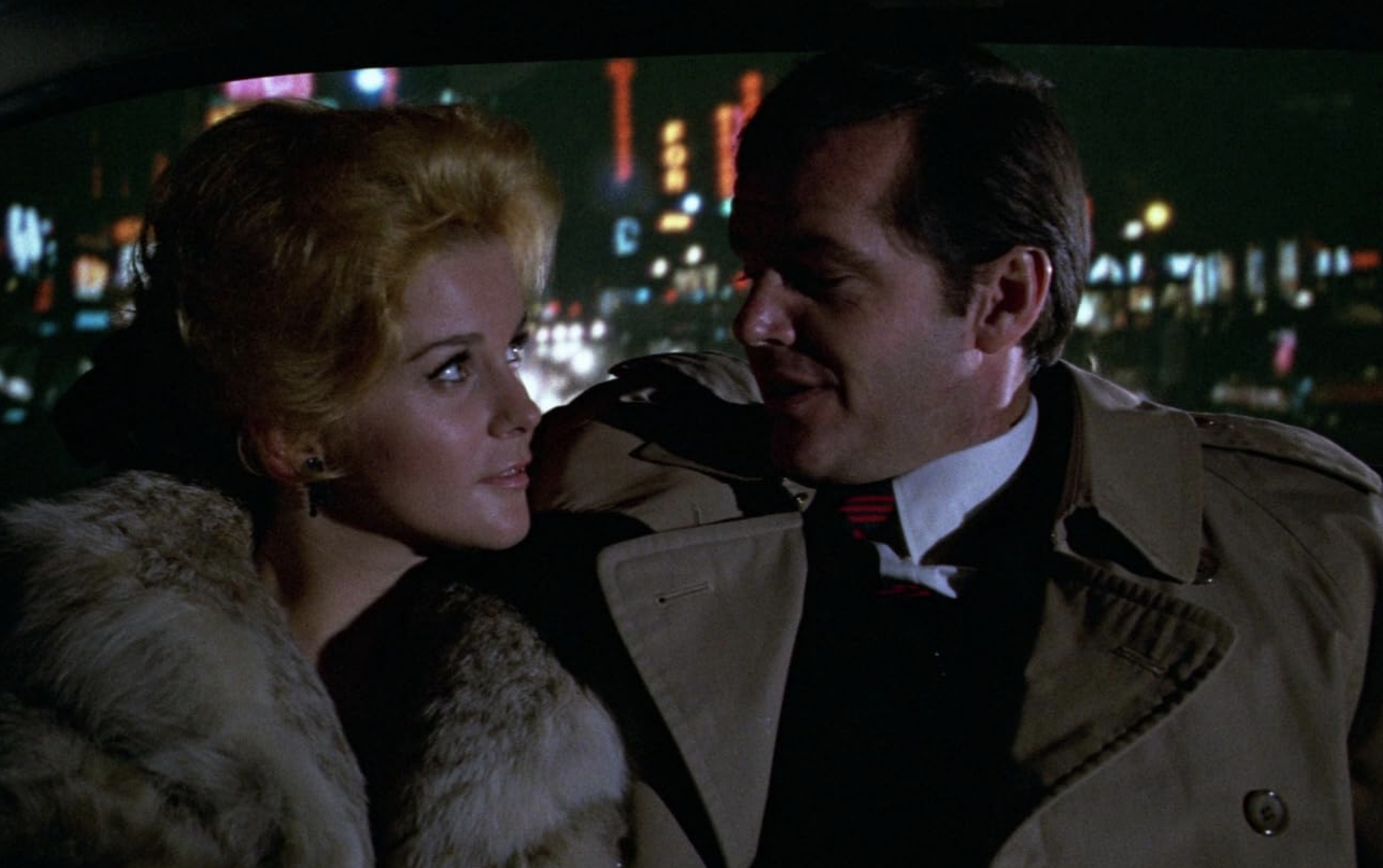
Sandy (Art Garfunkel) and Jonathan (Jack Nicholson) are two friends consumed by sex and the objectification of women. Carnal Knowledge begins when Sandy and Jonathan are two young students at Amherst College, and it follows their romantic and sexual escapades into adulthood. The film explores the problematic and self-destructive nature that comes with the idolatry of sex—how the self-indulgent blind pursuit of such hedonistic pleasures can result in a lifetime of dysfunctional relationships, and ultimately, a miserable and lonely existence.
In my opinion, Carnal Knowledge is criminally underrated due to the detestable nature of the characters, Jonathan in particular, who we see develop a strong hatred for women over the course of the picture. Released in the early 70s, some might argue that the film explores some of the consequences of the sexual revolution, and the devaluing and cheapening of sex. Not to say that misogyny and the objectification of women hasn’t always existed—of course it has—but at the same time, there is an argument to be made as to the cultural impact of the degradation of the value placed on sex, and the acceptable societal standards that have inarguably been lowered. Jonathan and Sandy, for instance, regard sex and women simply as some“thing” to obtain, through a lens of consumeristic greed, and with no moral standard of true connection, love, and intimacy. In many ways, Carnal Knowledge, seems to be a cautionary tale that is encouraging its viewers to stay away from that trap—to resist that temptation.
The writing by Jules Feiffer is brilliant, and in my opinion, this is Mike Nichols’ best film. Jack Nicholson delivers another tremendous performance (his third already on this list), and the rest of the cast—Ann-Margret, Art Garfunkel, Candice Bergen, and Rita Moreno with a cameo—are terrific as well. Carnal Knowledge is a thought-provoking character study with compelling subject matter and some intense dramatic scenes.
8. Deliverance (1972)
Directed by: John Boorman – Based on the novel by: James Dickey
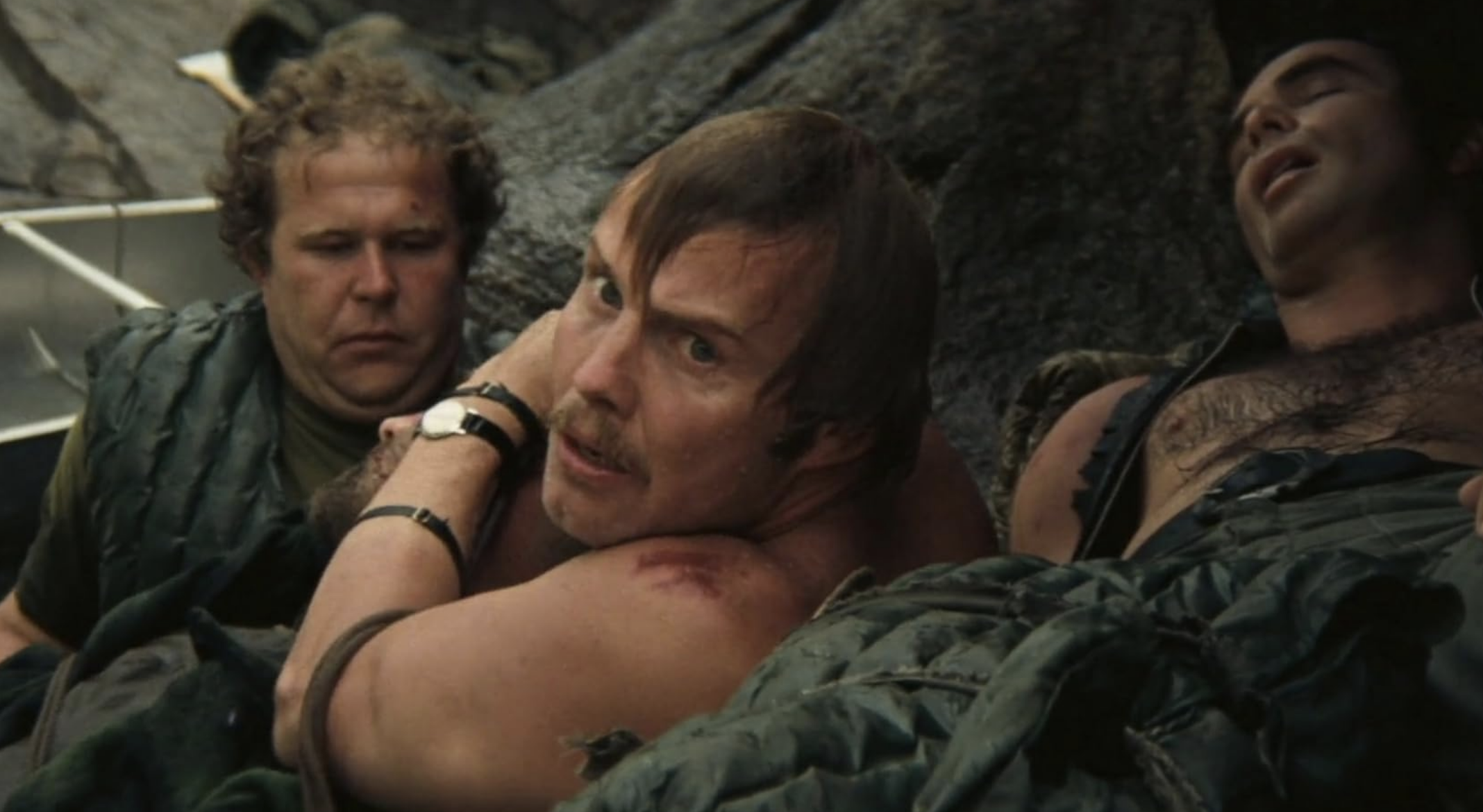
When four friends set out on a white-water canoeing trip down the Cahulawassee River in the isolated wilderness of northern Georgia, not only do they have to contend with the forces of nature, but with some twisted locals who they cross paths with along the way.
Deliverance is a gripping thriller that asks questions about masculinity and what it means to be a man. It explores shame and expectations; loyalty and friendship/male camaraderie, and it dives into themes such as man vs. man, and man vs. nature. There are intense and chilling moments, as well as some nail-biting suspense that will have you glued to your seat. Deliverance is full of exciting action and it has some stomach-churning moments that you will never forget.
9. Days of Heaven (1978)
Written and Directed by: Terrence Malick
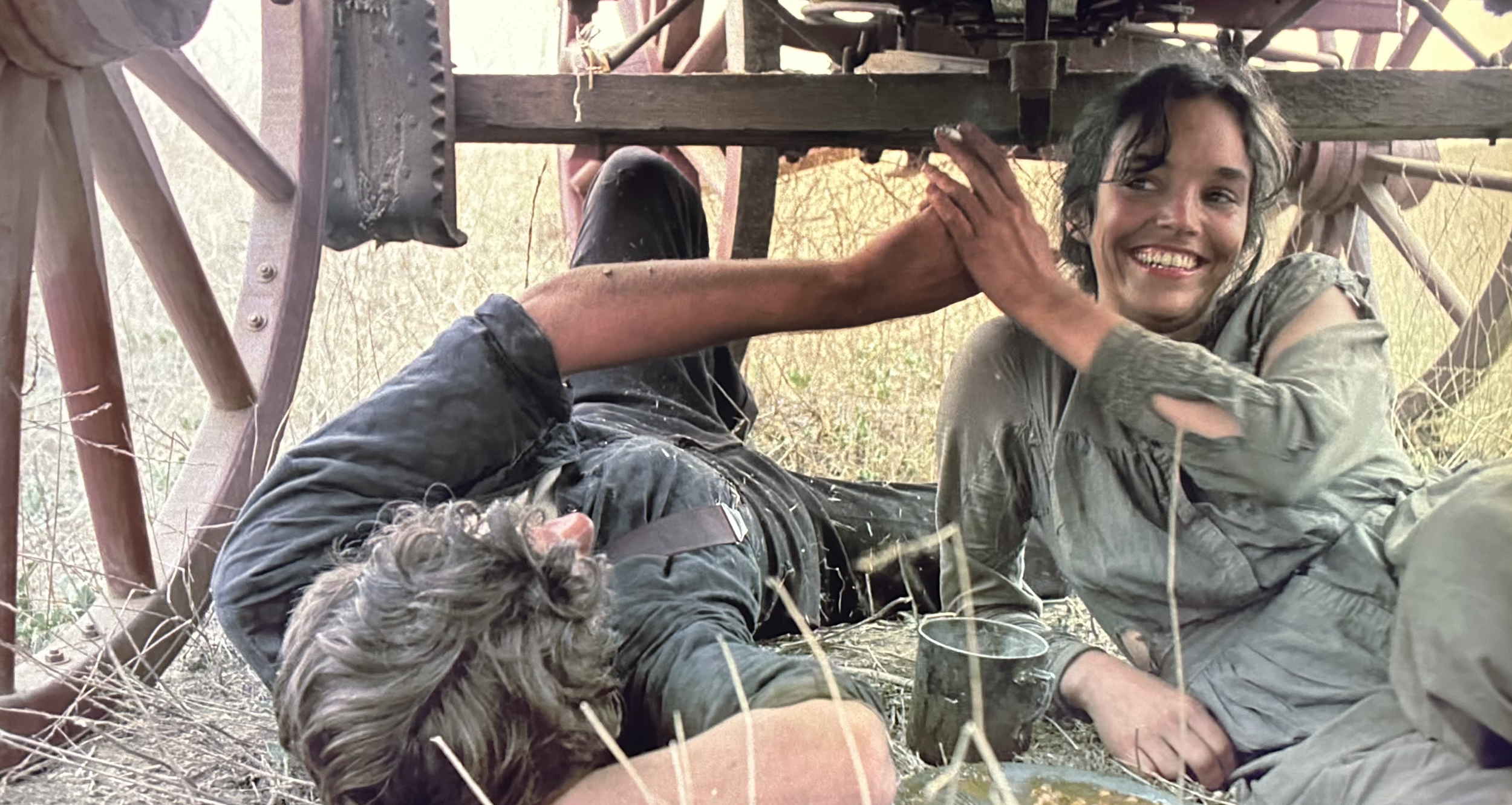
“He was tired of livin’ like the rest of them - nosin’ around like a pig in a gutter. He wasn’t in the mood no more. He figured there must be somethin’ wrong with ‘em - the way they always got no luck - and they oughta get it straightened out. He figured some people need more than they got, other people got more than they need. Just a matter of gettin’ us all together.” So, he came up with a plan…
After working in a steel mill in Chicago, Bill (Richard Gere) flees to the Texas Panhandle with his girlfriend, Abby (Brooke Adams), and his younger sister, Linda (Linda Manz), to work as seasonal laborers for a wealthy farmer. Wanting to keep their personal business to themselves, and disinclined to become the subject of gossip, Bill and Abby pretend to be brother and sister among the other farm workers. Over the course of their time there, the wealthy landowner (Sam Shepard) falls in love with Abby, and believing the farmer to be seriously ill, Bill encourages Abby to marry him, so that they can remain there as a “family,” and so that they can end up on the receiving end of a sizable inheritance. It is a compelling premise that explores themes of class and wealth inequality.
The quote that stuck with me the most in this film comes when Bill tells the farmer, “One day you wake up; you find you’re not the smartest guy in the world… never gonna come up with the big score. When I was growin’ up, I thought I really would.” It questions hope and expectations, as well as the limitations of chance and circumstance. I certainly remember, as a young boy, thinking: I must be here for something special…for something big… But for most, that is just not in the cards (depending on how you look at it), and coming to that realization in our lives can be a profound and humbling experience. And there are choices to be made.
Days of Heaven is one of the most beautifully shot films I have ever seen. It won the Academy Award for Best Cinematography (Néstor Almendros) in 1979 with its spectacular images. It is worth watching just for that, but the story is captivating and thoughtful as well.
10. Jaws (1975)
Directed by: Steven Spielberg – Based on the novel by: Peter Benchley
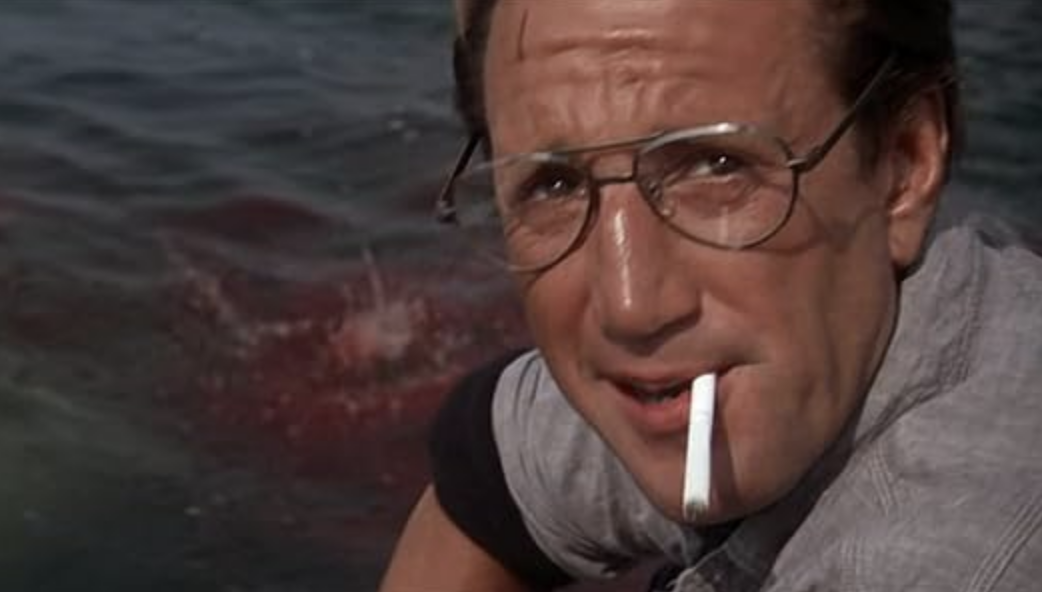
Duuuun-dun…………duuuun-dun……….duun-dun, duun-dun……….dun-dun-dun-dun-dun-dun-dun-dun… We all know that iconic score—simple and brilliant in its chill-inducing suspense. Jaws is undeniably a masterpiece from one of the greatest directors of all time.
My uncle once told me that Jaws is a reimagining of Ibsen’s An Enemy of the People. While I think that is a bit reductive, it definitely makes for an interesting comparison—the connecting thread being the central dilemma of the story. In both stories, there is a public health risk—for Jaws, it is a killer shark—and in both stories, the authorities are inclined to conceal the danger from the public, putting their lives at risk. And this is all for the sake of a small town economy—the livelihoods for those of this community are dependent upon summer tourism and the beaches remaining open. The last thing they need is mass hysteria and shuttered doors. If a few people become shark food in the meantime, so be it…
Jaws is a gripping thriller with great characters and great acting. Beautifully shot and paced—with Quint’s haunting tale of the USS Indianapolis setting the tone—as it builds to the exciting climax, after the town police chief, Martin Brody (Roy Scheider), a shark expert/oceanographer, Matt Hooper (Richard Dreyfuss), and an eccentric local fisherman/shark hunter, Quint (Robert Shaw), set out to track down and kill this public menace. Jaws is a classic and an all-time great.
11. Interiors (1978)
Written and Directed by: Woody Allen
While Annie Hall (1977) is widely considered the best film of Woody Allen’s prolific career, with Manhattan (1979) also generally being considered among his greatest works, I believe that Interiors is Woody Allen’s most compelling film of the decade. When you think of Woody Allen’s work—his style, his voice—you think of Annie Hall and Manhattan: they are very similar in tone, combining hilarious comedy and wit, to go along with some interpersonal drama, with Woody Allen playing the neurotic lead, searching for love and meaning while anxiously struggling with existential dread. They are both terrific films, innovative and original, more exemplary of Allen’s work. Interiors, on the other hand, drops the comedy, and is more of a dark, intellectual family drama, dealing with strong themes such as mental illness and the trauma of family dysfunction. Interiors is a more powerful story, despite the fact that many consider it to be a rip-off of Ingmar Bergman’s style, which I think is a lazy argument. The influence is apparent, but what is not derivative of something, to some extent? It is an original story and it is brilliantly told. Needless to say, I love all three of these films, and could easily have included them all on this list, but I decided just to add my favorite and then mention the others here.
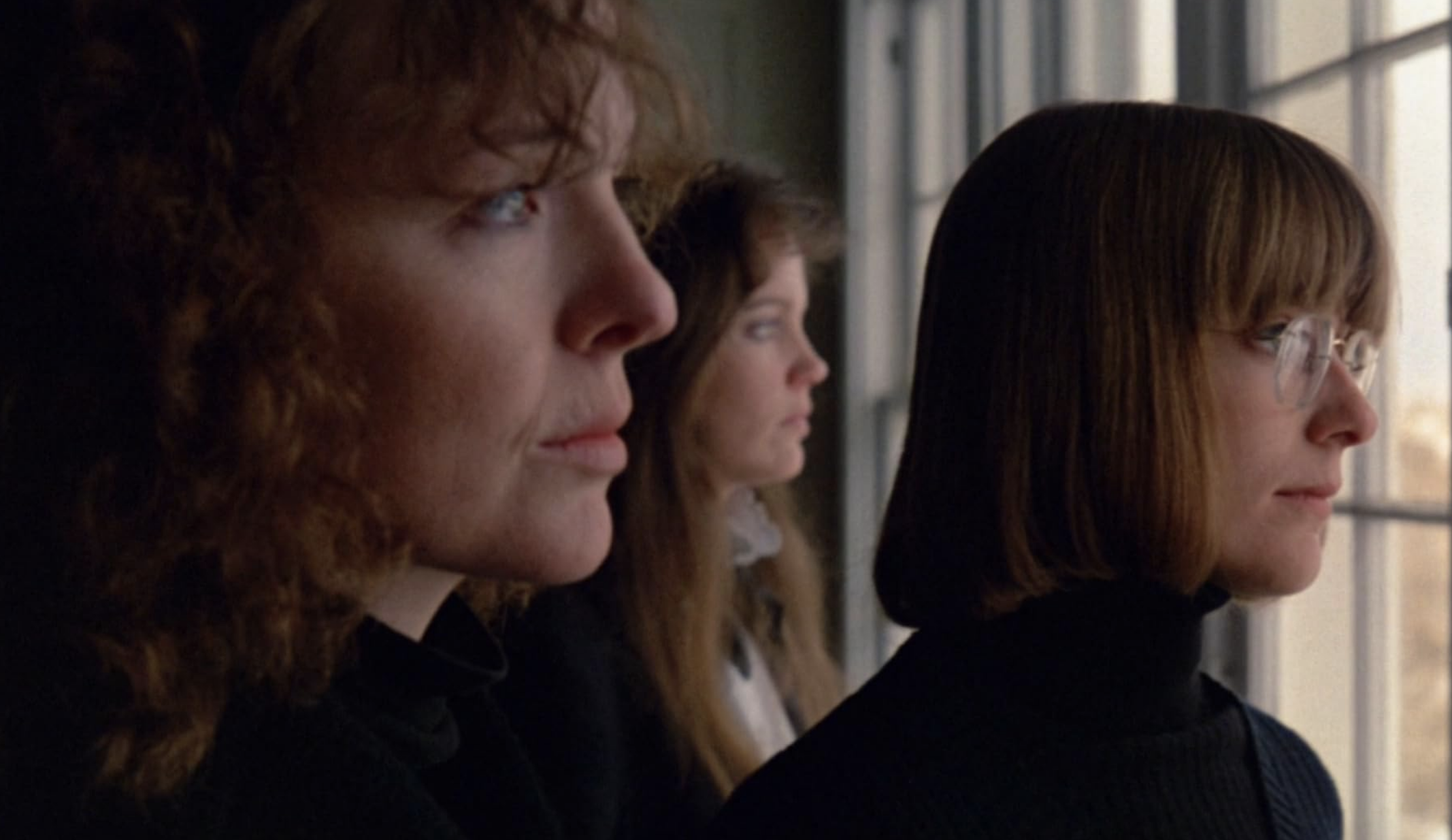
Interiors focuses on the lives of three sisters—the eldest, Renata (Diane Keaton) is a “successful” (subsidized) poet—“I’m not ashamed to be subsidized, either. I turn things out!”—who is married to a struggling writer (Richard Jordan) who is contending with feelings of emasculation, of envy and resentment towards his wife, due to his own lack of productivity and recognition. Joey (Mary Beth Hurt), the middle sibling, is struggling to find direction in her life altogether—one week she is pursuing this, and the next week she is pursuing that. Renata describes her, saying, “She has all the anguish and anxiety of the artistic personality without any of the talent,” and she is jealous of Joey’s close relationship with their father. And in turn, Joey resents their mother for what she perceives as favoritism towards Renata. Lastly, Flyn (Kristin Griffith), the youngest sister, is an actress, whose work is mocked by her sisters, and who is the most detached of the siblings. The family dynamics are volatile, and the plot is set into motion when their father (E.G. Marshall) unexpectedly decides to separate from their mother (Geraldine Page), a woman who struggles with chronic depression.
The performances in Interiors are captivating, led by the late great Diane Keaton. Geraldine Page and Maureen Stapleton (who played Pearl, their father’s new love interest), both were nominated for Academy Awards—Geraldine for Leading Actress and Maureen for Supporting—and Woody Allen was nominated for Best Director as well as Best Screenplay. Interiors is a beautiful, although depressing, exploration of the human condition. It is a powerful and thought-provoking film and I believe that it is one of Woody Allen’s best pieces of work.
12. Paper Moon (1973)
Directed by: Peter Bogdanovich – Based on the novel by: Joe David Brown
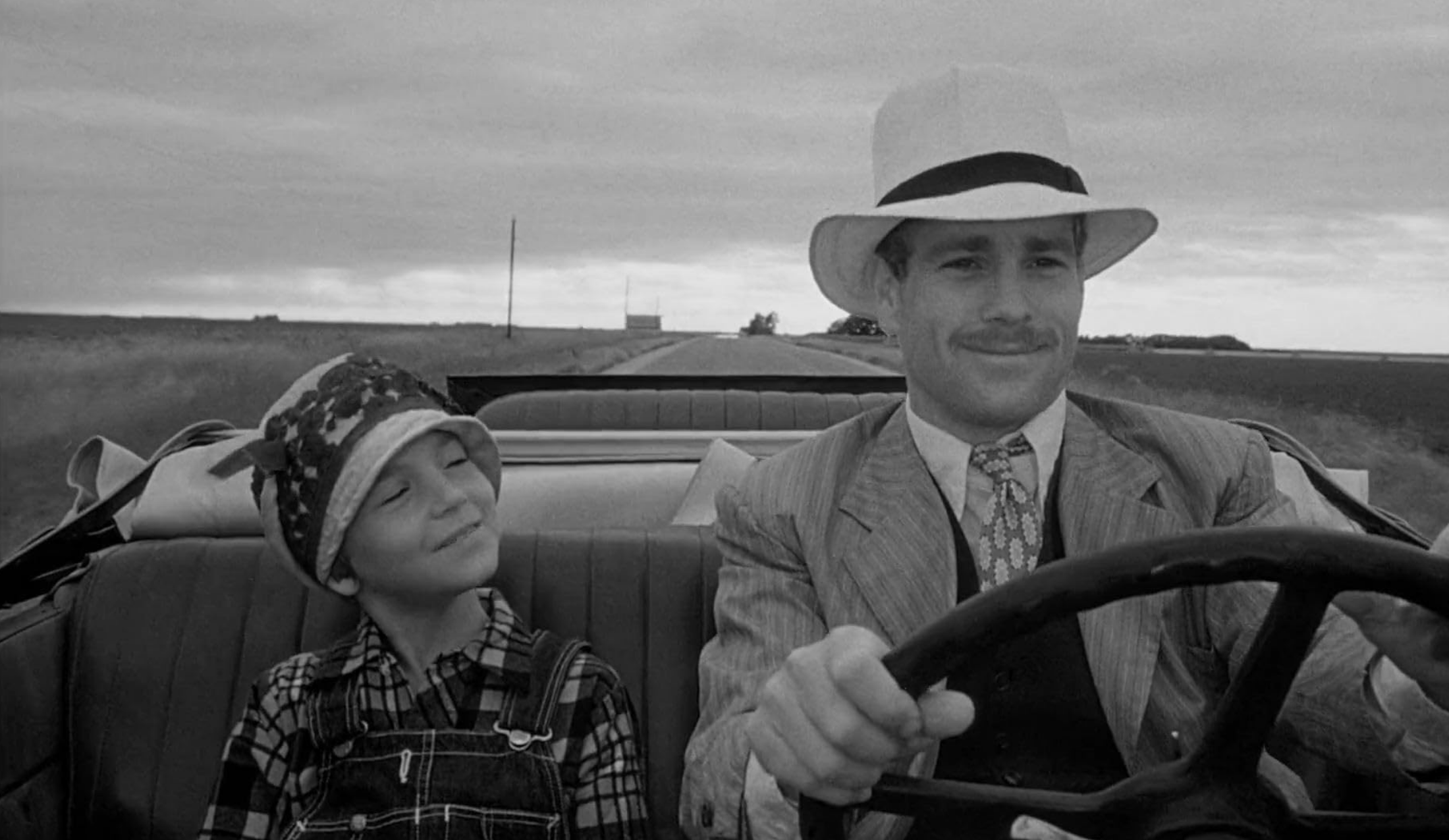
When two-bit conman, Moses Pray (Ryan O’Neal), sees an opportunity to exploit the situation, he agrees to drive nine-year-old, Addie Loggins (Tatum O’Neal), across the country and deliver her to her aunt, after her mother’s passing. Moses is immediately able to use Addie’s tragic loss to extort two hundred dollars from a responsible party; however, he has no idea what is in store for him with the young and intelligent, Addie Loggins. When Moses tries to buy her a train ticket and send her on her way, she refuses to go, and demands that the money is rightfully hers.
“I want my two hundred dollars!”
Having already spent a good portion of it on car repairs, and under threat of informing the police, Moses is coerced into bringing Addie along with him on the road, where they grift from town to town, pulling off sleazy scheme after sleazy scheme, and bonding along the way. The rapport between characters (real-life father and daughter) is hilarious and charming. Tatum O’Neal is exceptional as the strong-willed and sarcastic, Addie Loggins, and for this role, she became the youngest actor to ever win an Academy Award. And Ryan O’Neal is terrific as well.
I absolutely love this film. It is charming, funny, sincere; it is beautifully shot and it is one of a kind. This picture has heart and it is one of my all-time favorites.
13. Taxi Driver (1976)
Directed by: Martin Scorsese – Written by: Paul Schrader
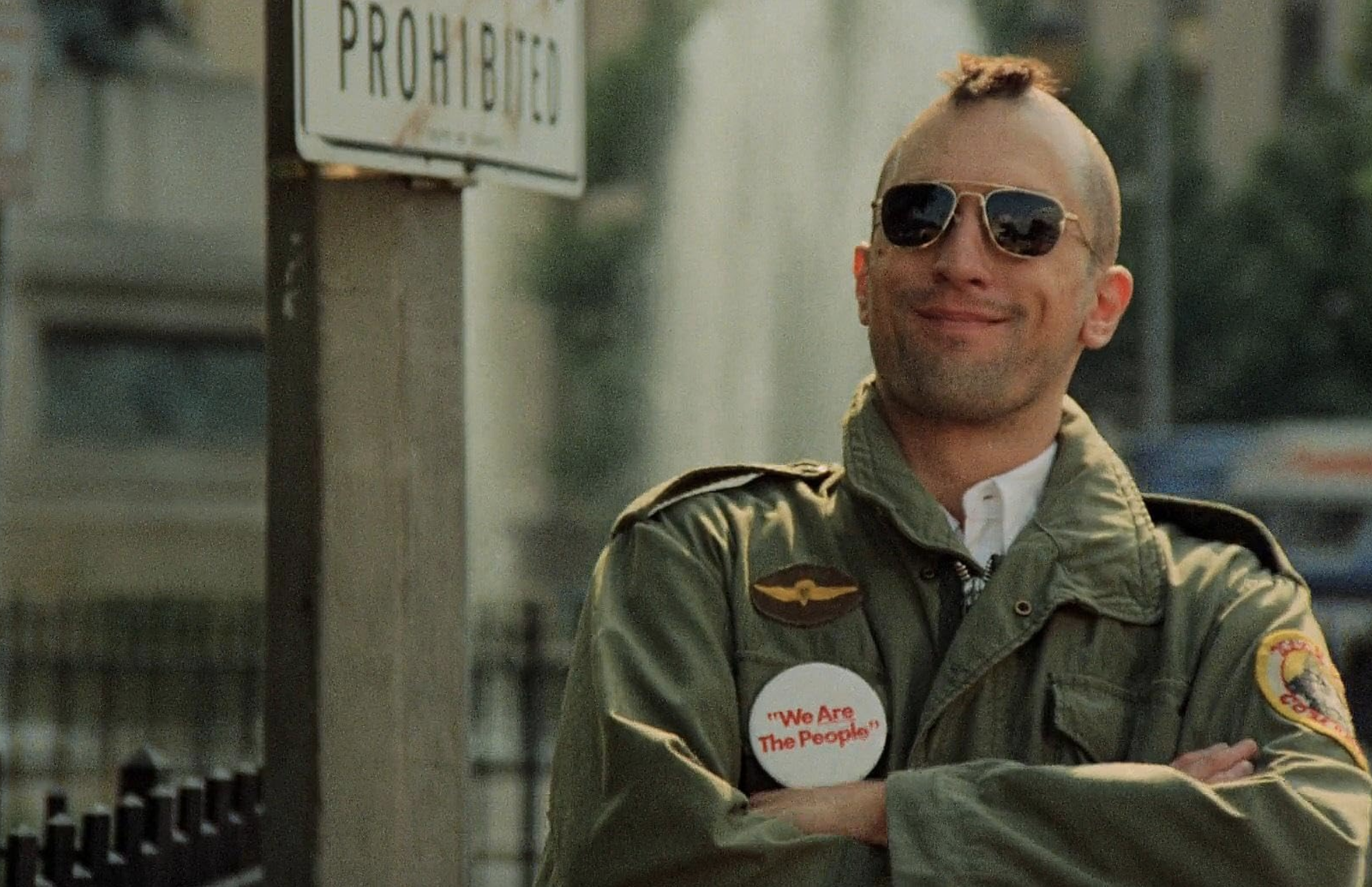
Considered by many to be Martin Scorsese’s masterpiece, devout fans will undoubtably be horrified at its placement here. Personally, I have seen Taxi Driver more times than any other film on this list, and while it used to be one of my favorites, it has just grown a bit stale for me over the years, and it does not hold the same power that it once did. With that being said, the brilliant quality of filmmaking on display, and its influence and cultural impact, is indisputable. It is arguably Robert De Niro’s greatest role and Scorsese’s greatest piece of direction—an iconic duo; two of the best to ever do it. It is an intense psychological character study which slowly builds to a thrilling climax, and it is a must watch for every film lover.
14. Kramer vs. Kramer (1979)
Directed by: Robert Benton – Based on the novel by: Avery Corman
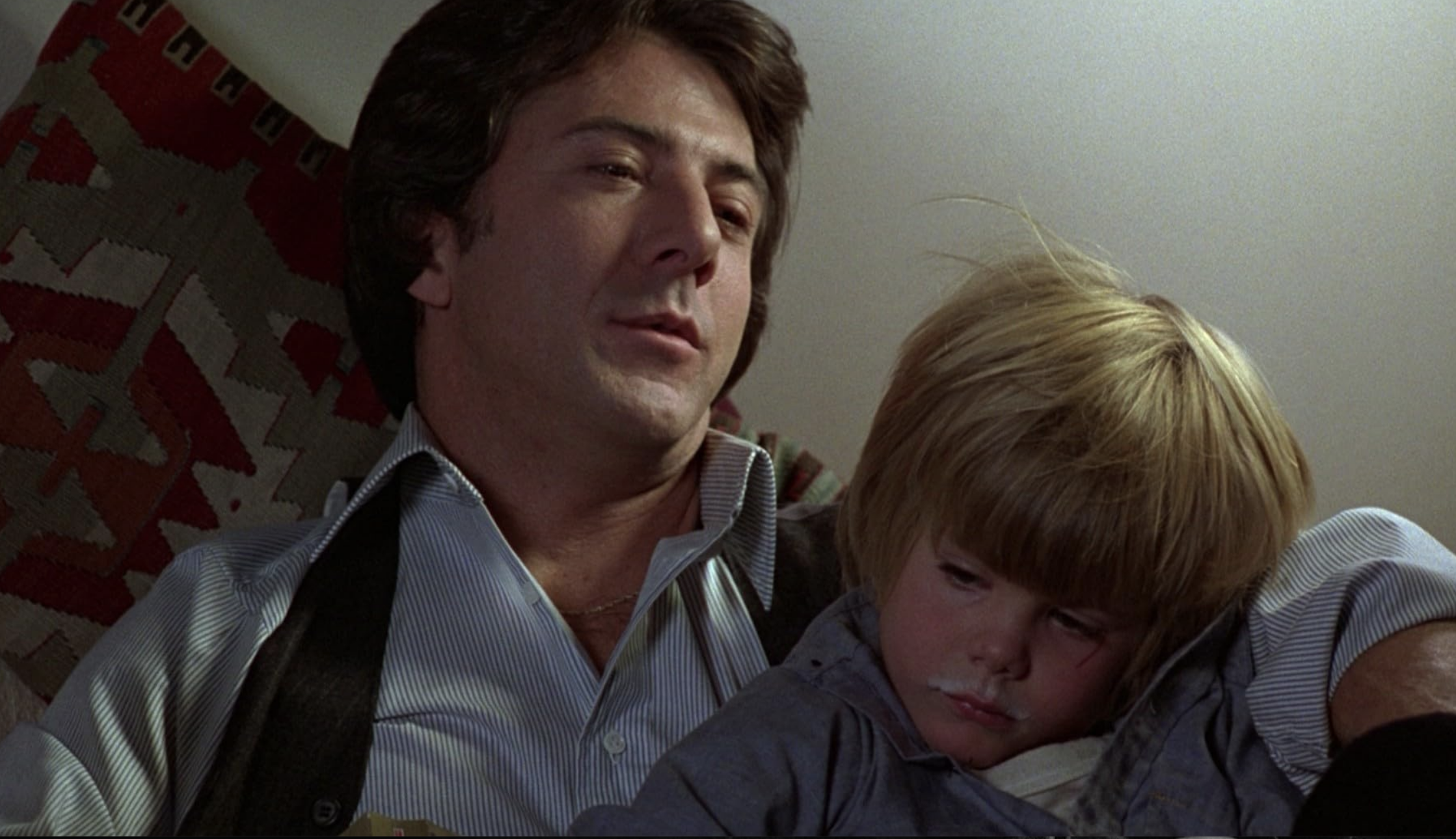
When Ted Kramer (Dustin Hoffman), an advertising executive, returns home, excited to share news of a promotion with his wife, Joanna (Meryl Streep), only to find her with her bags packed, ready to walk out on their lives together, and on their seven-year-old son, Ted’s life is quickly thrown into a devastating whirlwind. As a man who has always prioritized his work, and being the breadwinner, over spending time with his family, and raising his son, Ted is out of his depth as he finds himself a single father in the blink of an eye. Trying to juggle being the sole caretaker of young Billy, as well as his full-time demanding career, proves to be quite the challenge, and after finding his groove, and developing an impenetrable bond with his son, both of whom are struggling with the hole Joanna left behind after abandoning them, what happens when she comes back ready to fight for custody? We get the custody proceedings for: Kramer vs. Kramer.
Kramer vs. Kramer is a heart-wrenching family drama with powerful performances from Dustin Hoffman and Meryl Streep. It is an emotionally impactful piece of storytelling.
15. Badlands (1973)
Written and Directed by: Terrence Malick
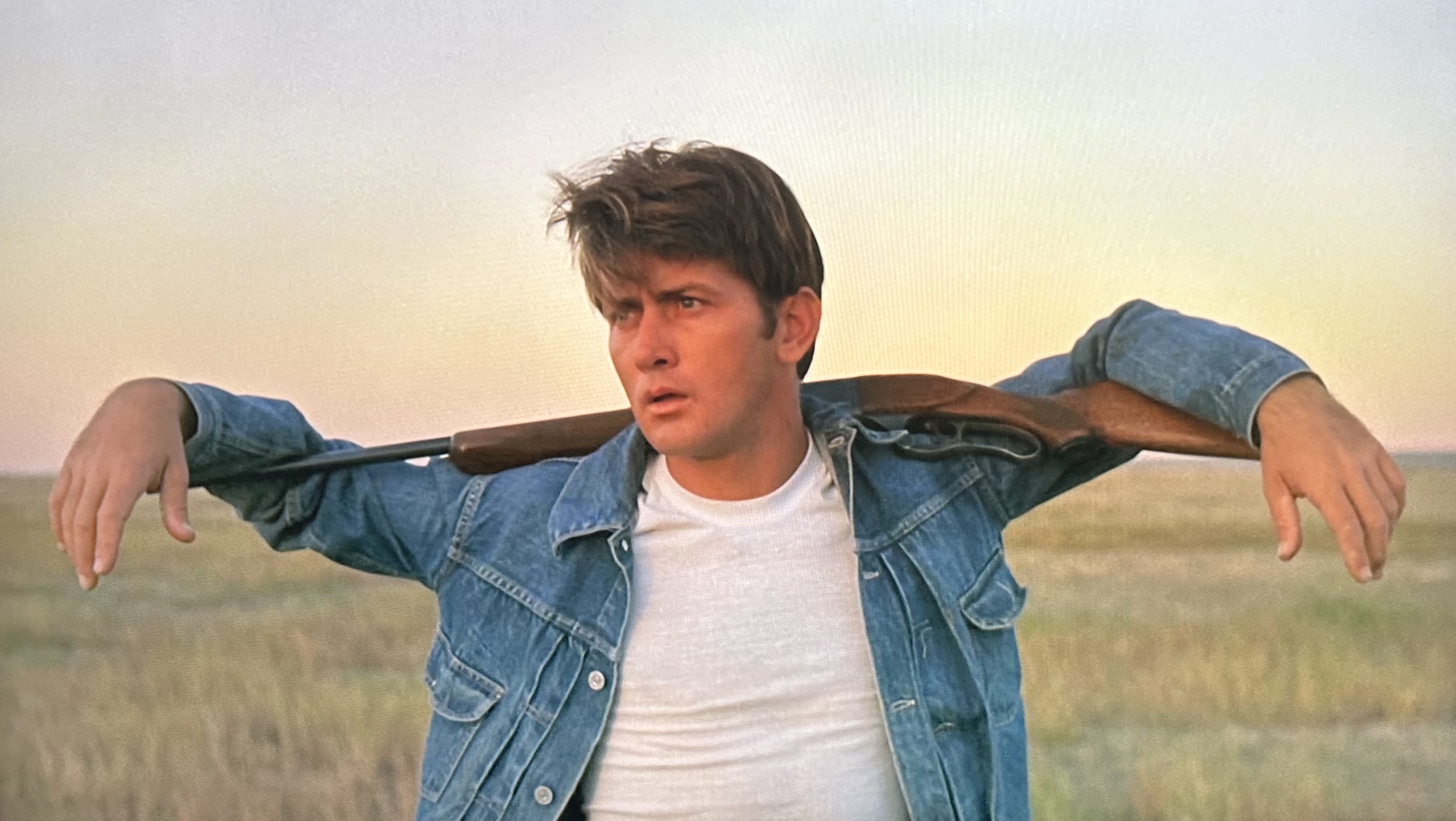
Terrence Malick gives us another visually stunning picture with his earlier film, Badlands—a love story about a real-life, cross-country killing spree.
In 1959, a fifteen-year-old girl, Holly (Sissy Spacek), falls in love with a troubled, and ultimately, psychotic twenty-five-year-old, Kit (Martin Sheen), and their problems begin when Holly’s father objects to this inappropriate relationship. Soon enough, they are on the run and Kit is prepared (and even seems eager) to kill anyone who gets in their way.
Holly provides the audience with some thoughtful narration over the course of their journey but the shining star of this film really is the cinematography. There is plenty of engaging action and the performances by Martin Sheen and Sissy Spacek are brilliant in their leading roles. Badlands is an incredible film.
16. Barry Lyndon (1975)
Written and Directed by: Stanley Kubrick – Based on the novel by: William Makepeace Thackeray
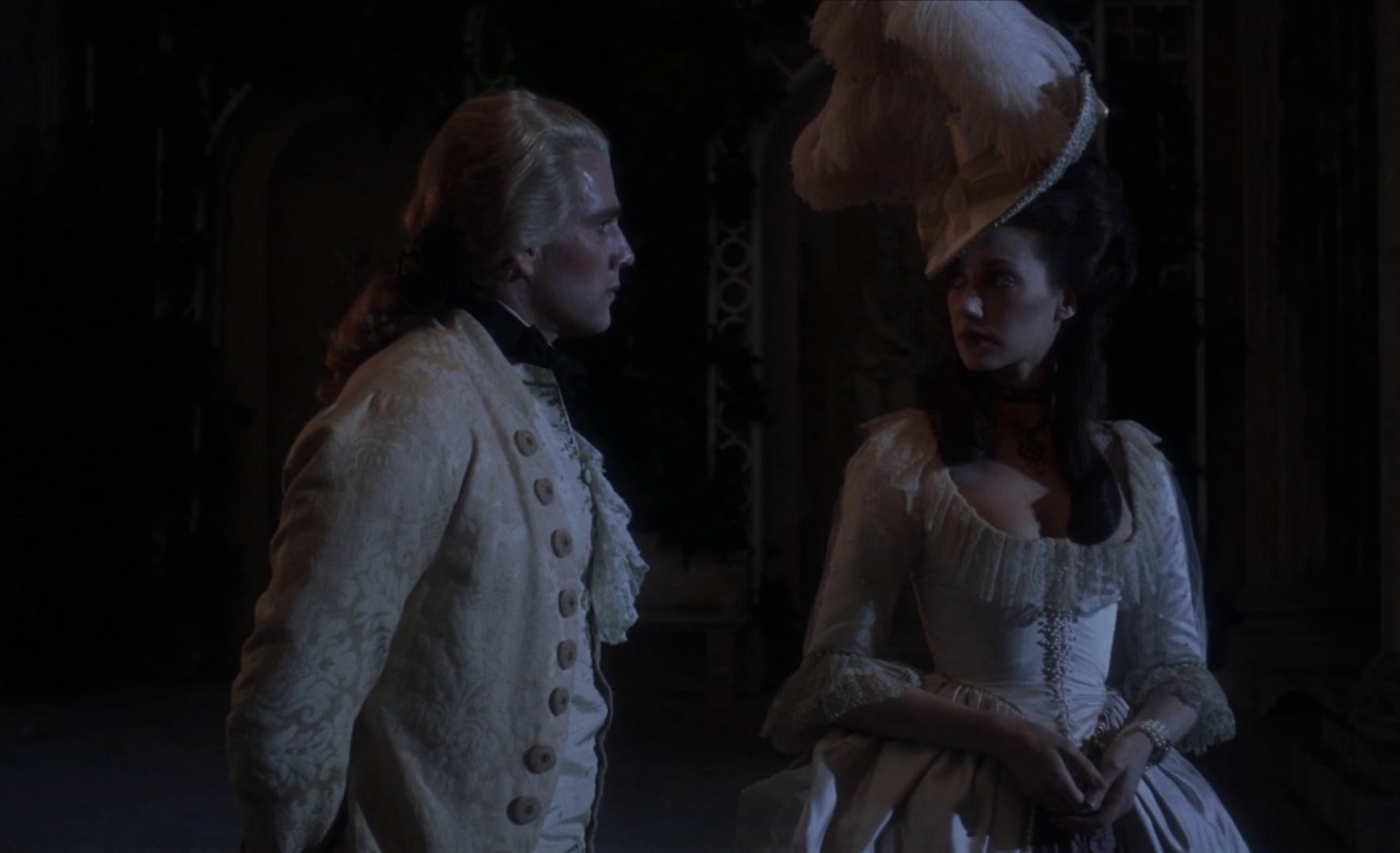
Barry Lyndon is an absolute masterful piece of artwork. Set in the 1700s, the story follows the titular character, Barry Lyndon, whose adventures begin when he is forced to flee his home after “killing” Army Captain, John Quin, in a duel. He encounters a variety of characters and conflicts once he hits the road, joins the British Army, deserts, and then ensconces himself (through marriage) amongst the English aristocracy. Barry Lyndon is an epic tale of literary quality, brilliantly and beautifully brought to the screen by the great Stanley Kubrick. The only reason that I have it this low on this list is because you feel its three-hour runtime, and there are moments that drag. But with that said, it is a great story and an incredible film.
17. Sorcerer (1977)
Directed by: William Friedkin – Based on the novel by: Georges Arnaud
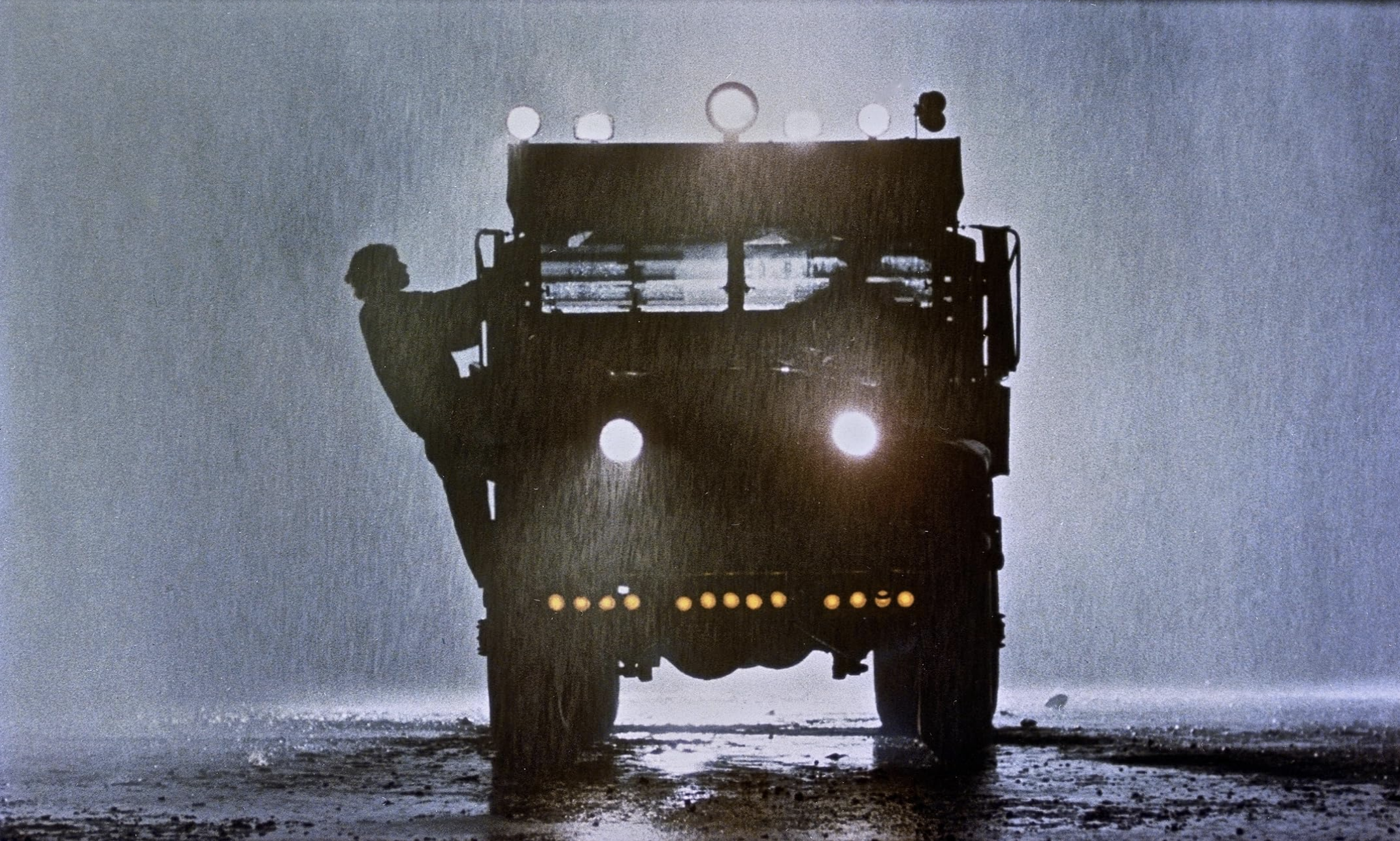
William Friedkin’s Sorcerer is a beautifully shot, nail-biting action thriller. Tasked with transporting highly volatile explosives through a jungle and over treacherous terrain, four men-on-the-run with compelling backstories of their own, hiding out in a poverty-stricken village in South America, hope to use the pay-day from this dangerous mission in order to emigrate back to something more reminiscent of their previous lives. Of course, that is only if they are able to make it through this perilous journey in one piece.
Starring Roy Scheider and a talented supporting cast, Sorcerer is action-packed and full of thrills. It is an underrated gem, and in my opinion, William Friedkin’s best work.
18. Lady Snowblood (1973)
Directed by: Toshiya Fujita – Based on a Japanese comic series by: Kazuo Koike and Kazuo Kamimura

After her husband and son are murdered, and she is brutally raped, Sayo is able to kill one of her attackers, but ends up being sentenced to life in prison for her retribution. While she is behind bars, she gives birth to Yuki, her “asura demon” (a wrathful demigod from Buddhist mythology), who is charged with the task of finding her mother’s three remaining assailants, and carrying out vengeance.
From its powerful female lead, to its heavily stylized blood and violence, it is easy to see the significant influence that Lady Snowblood had on Quentin Tarantino’s Kill Bill. Meiko Kaji is badass, and delivers a terrific performance as the assassin, Yuki Kashima, in this quintessential tale of revenge. Lady Snowblood is an awesome film; it is beautiful in its brutality, and it is a whole lot of fun.
19. Straw Dogs (1971)
Directed by: Sam Peckinpah – Based on the novel by: Gordon M. Williams
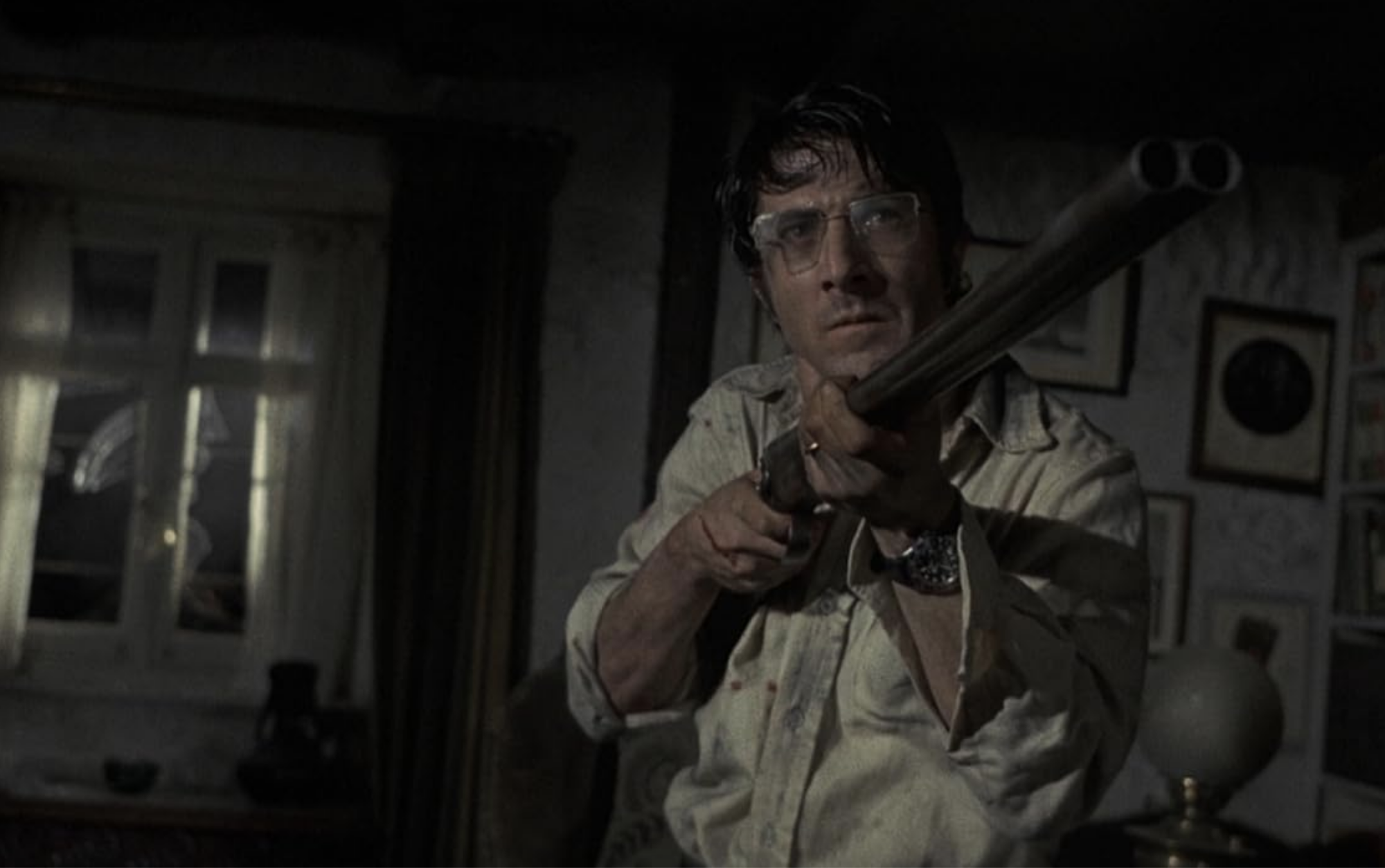
After receiving a research grant, American Mathematician, David Sumner (Dustin Hoffman), and his wife, Amy (Susan George), move to a remote village in the English countryside, where their presence is less-than-welcomed by the local townsfolk. Tension builds and some horrifying developments unfold, culminating in a combustable standoff featuring violence and terror.
Straw Dogs is an intense film with one of the most disturbing and difficult-to-watch scenes that I have ever witnessed. It is not a film for the faint of heart and the sexual violence can definitely be triggering, but as a whole, it delivers a captivating and unforgettable experience. It is a slow build of tension and suspense, as the story moves towards, what I would consider to be, one of the most exciting cinematic climaxes in film history.
20. American Graffiti (1973)
Written and Directed by: George Lucas – Co-written by: Gloria Katz and Willard Huyck
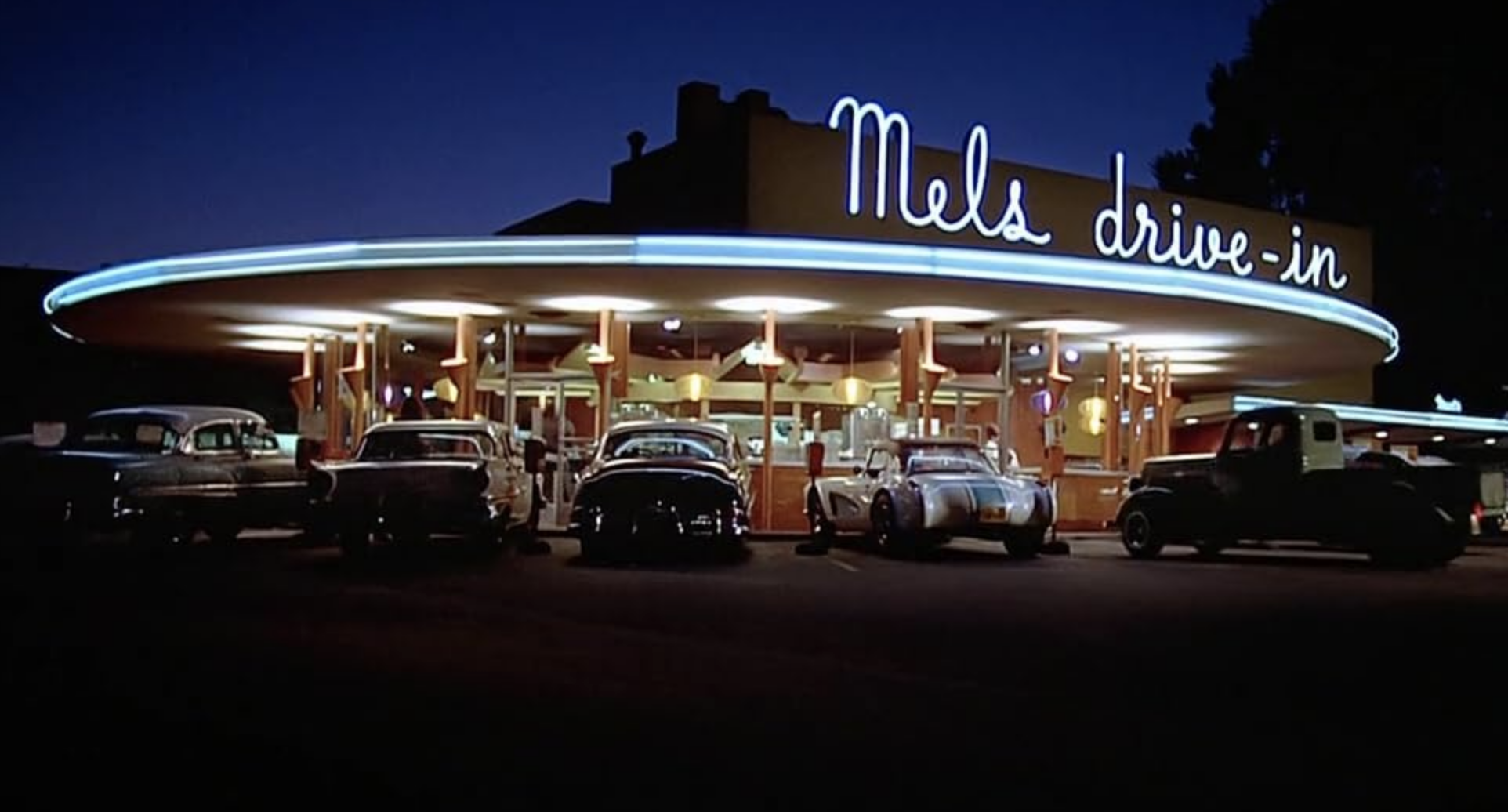
I recently saw American Graffiti for the first time, and it was a joy to watch. It made me nostalgic for a time I never got to experience, and it immediately became one of my all-time favorite “hangout” films.
On the last night of summer vacation in 1962, the two protagonists, Steve (Ron Howard) and Curt (Richard Dreyfuss), follow opposing character arcs when it comes to their future endeavors. As the night begins, Steve is excited about the prospect of going off to college and leaving this small town in his rearview mirror. While enthusiastic about this opportunity for new experiences and adventure, he hasn’t thoroughly considered what he will be leaving behind. On the other hand, Curt is feeling aimless and is filled with doubt and uncertainty as he comes to this crossroad in his life. One chapter is ending, and another is set to begin—there is no avoiding it—and he is questioning what he wants to do and whether or not he wants to go away to college at all. And over the course of the night, we see these characters follow contrasting paths.
American Graffiti is a charming time-capsule of a film. With fun characters, great music, and the bitter-sweet central-motif of change, time-passing, and having to move on, it is a lovely way to spend an evening.
More Great 70s Films:
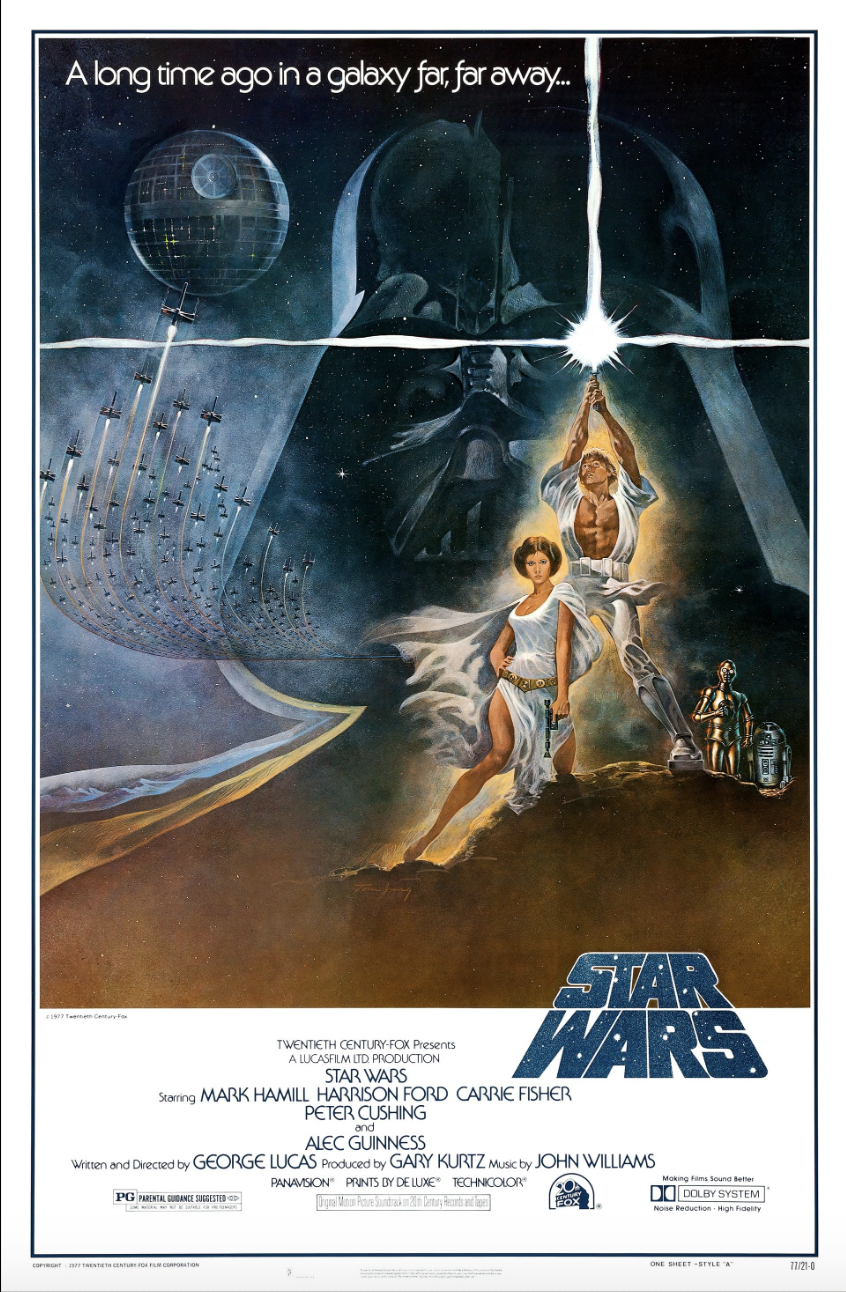
Star Wars: A New Hope (1977) - It is the one that started them all, and in my opinion, it is the best. Revolutionary and iconic; what else needs to be said? Unquestionably one of the most impactful films ever made.
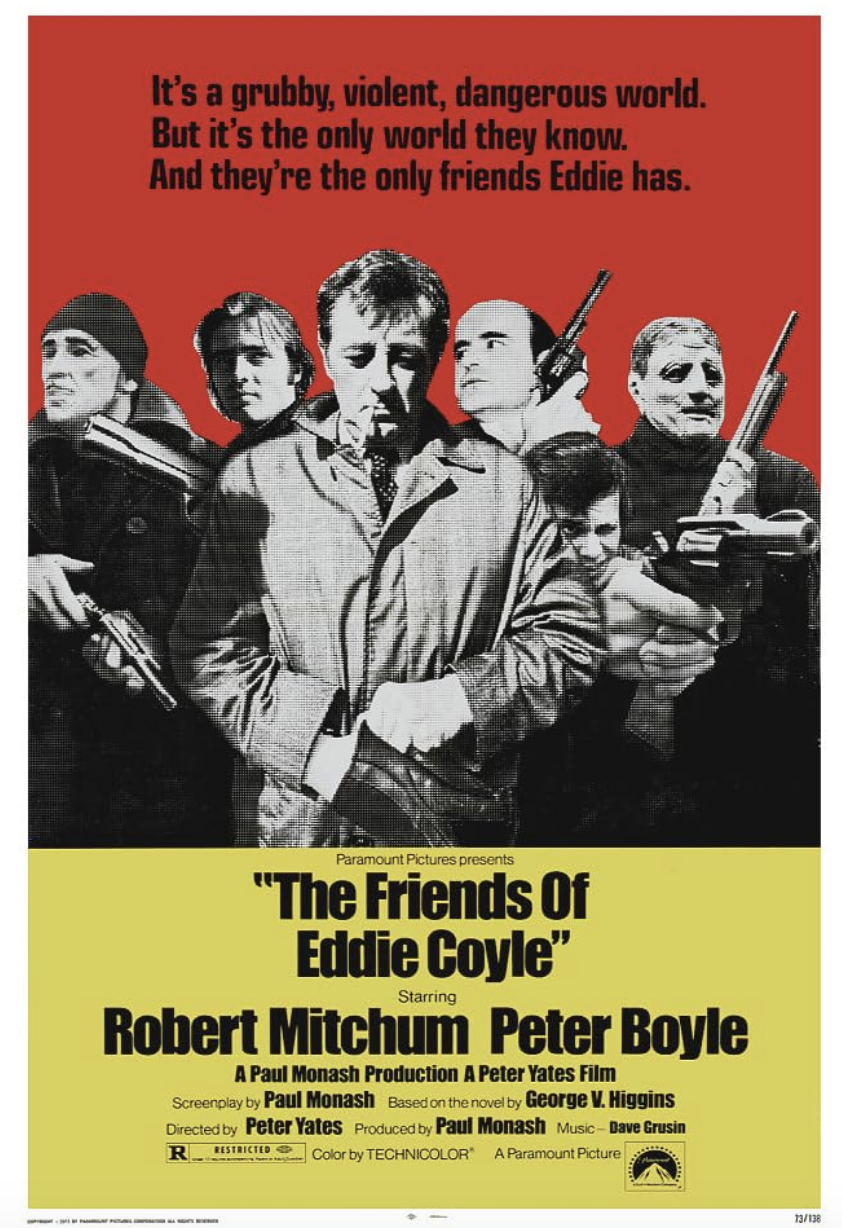
The Friends of Eddie Coyle (1973) - Peter Yates delivers a super cool crime drama with bank robberies, treachery, and 70s grit. Watch it. Enjoy it.
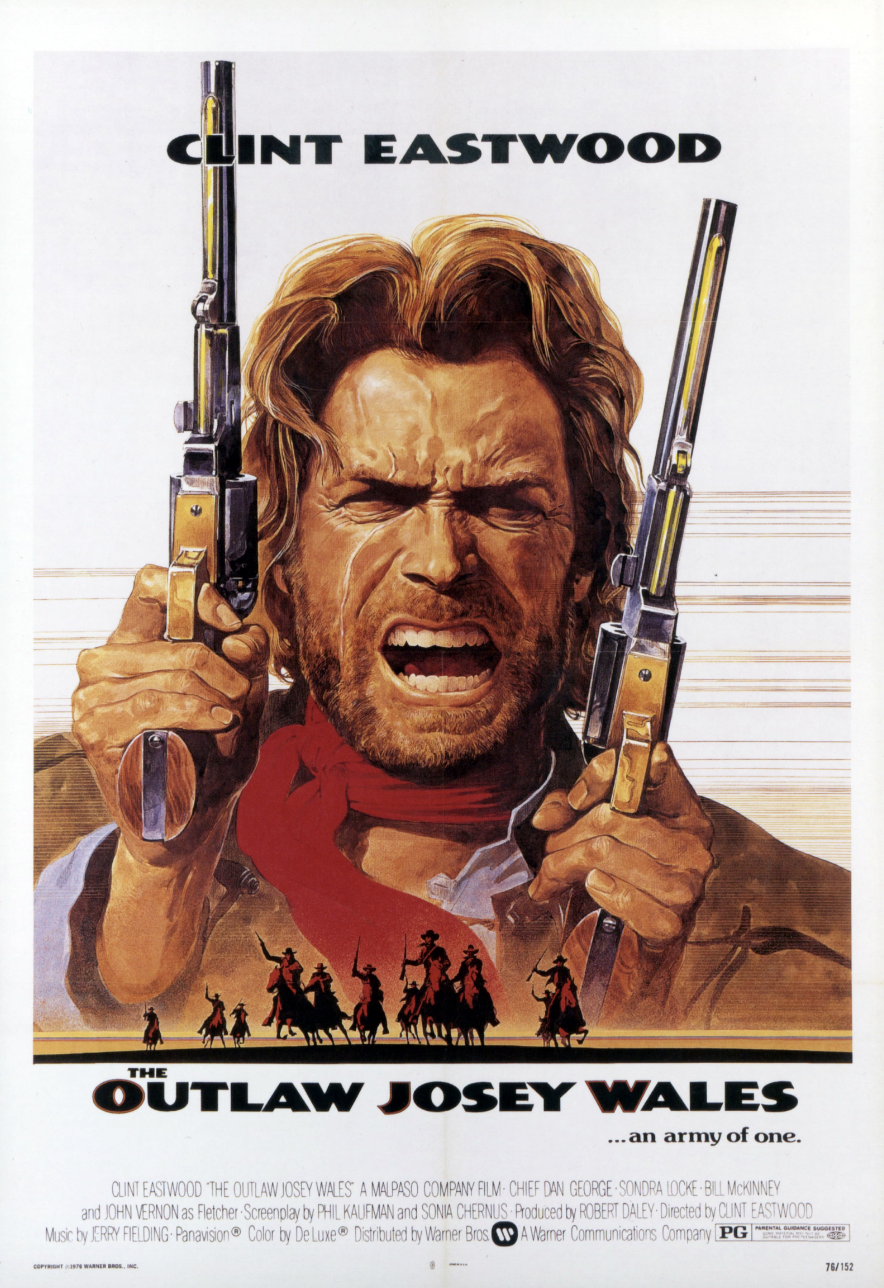
The Outlaw Josey Wales (1976) - An awesome western revenge story, directed by, and starring, the legendary Clint Eastwood. It is an all-time great western full of blood and action.